
Course III
Something remarkable happened.
The Roman emperor Constantine the Great legalized Christianity after his victory in the Battle of the Milvian Bridge. Suddenly, Christians were no longer hiding in the shadows. The faith that once met in secret was now public. But with this new freedom came a new problem. Not persecution from outside… but disagreement from within. Christians everywhere believed in Jesus. But they didn’t always agree about who Jesus actually was.
One priest in Alexandria named Arius began teaching something new. He said Jesus was holy. He said Jesus was powerful. He said Jesus was the Son of God. But he also said something radical: “There was a time when the Son did not exist.” In other words, Jesus was created. Not eternal. Not truly God. And the problem was… people started believing him. Cities were divided. Christians argued. Even bishops disagreed. So the Church did something extraordinary. The bishops from across the Christian world gathered together to answer one question: What is the truth about Jesus Christ? They met in the year 325 at what we now call the First Council of Nicaea. After prayer, debate, and discernment, the bishops wrote a statement of belief. A creed. They declared that Jesus Christ is “God from God, Light from Light, True God from True God, Begotten, not made, Consubstantial with the Father.”
In other words: Jesus is not a creature. He is God Himself. And every Sunday around the world, Christians still stand and proclaim this truth together in the Nicene Creed. But creeds actually existed in the Church even before this council. Long before Christianity was legal… long before churches were built… Christians were already professing their faith. When someone was baptized in the early Church, they were asked a series of questions. Do you believe in God the Father? Do you believe in Jesus Christ His Son? Do you believe in the Holy Spirit? And the person would respond: “I believe.” Over time, those baptismal professions were formed into what we now call the Apostles’ Creed. It likely developed in the 2nd century in the Church at Rome and was used especially for baptisms. Now here’s something interesting. The Apostles’ Creed was not literally written by the apostles themselves. But early Christians believed it perfectly summarized the faith that the apostles preached. The creed is called the Apostles’ Creed because it faithfully reflects the teaching handed down from the apostles themselves. And there’s something even deeper about how the creed is structured.
It follows the very life of God. The Trinity. The first part speaks about God the Father, creator of heaven and earth. The second part speaks about Jesus Christ, His Son, His life, death, and resurrection. And the third part speaks about the Holy Spirit, the Church, forgiveness of sins, and eternal life. So when Christians stand and proclaim the creed, they are doing something profound. They are stepping into a 2,000-year-old confession of faith. The same faith proclaimed by martyrs. You are saying these words with the heroes of the faith that have gone before you and stepping up to also say: I believe
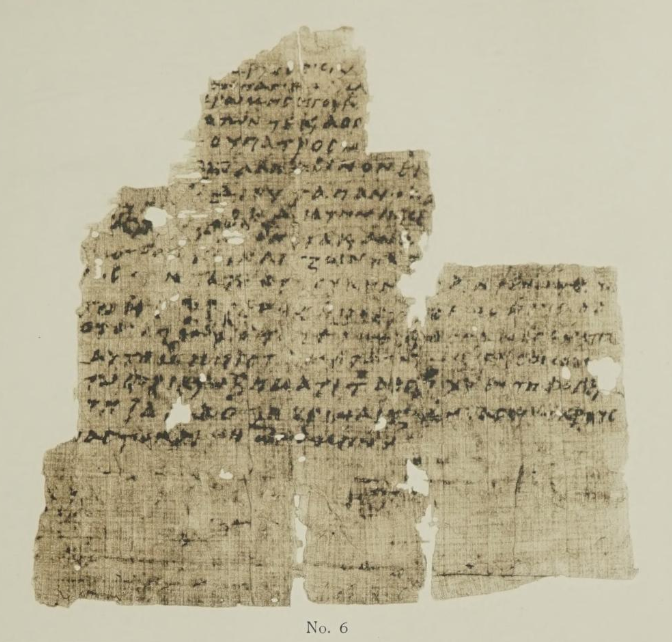
Rylands Papyrus, 6th century – The Nicene Creed