Course IV
Theology isn’t just for scholars, its a map.
Over two thousand years ago Pontius Pilate asked a question to Jesus that still echoes today: ‘What is Truth?’ Theology gives us a map for that question. It shows us how to see what is true, choose what is good, and follow the path God made for us.
Frank Sheed, in Theology and Sanity, reminds us that truth is not simply a matter of what feels right or what works for me. Truth is the correspondence of the mind with reality, it is when the intellect sees things as they really are. But here’s the thing: knowing truth is not enough. Our intellect may grasp reality, but if our will does not embrace it, if our heart does not consent, then the truth remains only a shadow in our minds.
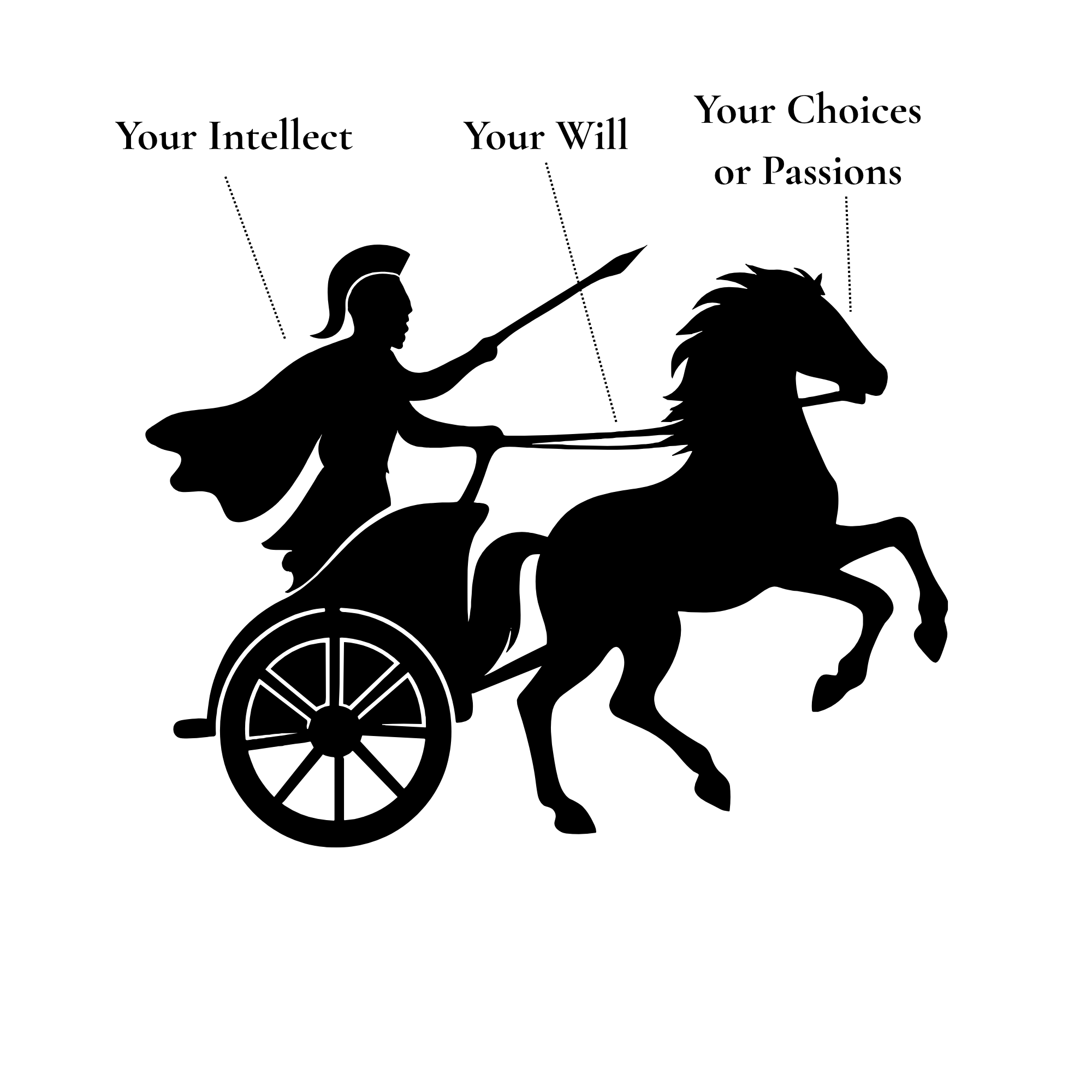
In other words: Your intellect is your ability to know what is true. Your will is your ability to choose what is good. Your Reason is the bridge between the intellect and will. It is the process of ordering knowledge toward truth. Read that back a few times as it is very important to understand.
Now something worth defining as well, is intellect is often associated with knowledge. The intellect is not just knowing facts, it is the power to grasp truth. Reason is the activity of that intellect, the way we move from what we know to what is real and true. And that distinction matters a lot today. We live in a time flooded with information, constant input, endless content. People know more data than ever, but that does not mean they see reality more clearly. In fact, often the opposite happens. Without a trained intellect, information becomes noise, and noise leads to confusion. So let us further say
Knowledge fills the mind, but reason orders it. Information gives you pieces, but intellect seeks the whole. And ultimately, intellect is ordered toward truth, not just awareness.
The intellect discerns what is true and good, and the will chooses to act on it. If the intellect is weak or misinformed, the will does not have a clear target. So formation of the intellect is not abstract, it directly affects how we live, how we choose, how we follow God. So if what we choose depends on how we see, it should be imperatively critical to order our intellect to choose appropriately.
So what happens is this. If your intellect has only a shallow or blurry understanding of God, then your will has nothing solid to aim at. You begin to drift. You chase things that do not satisfy. You make decisions that do not hold up. You build your life on things that do not last. Not because you are a bad person, but because you are not seeing clearly. Your intellect is off base.
See the real problem is not that people lack information today, it is that we struggle to recognize truth and live by it. The intellect is not just the ability to know things, it is the ability to see what is true. And reason is how we get there. In a world full of information, what we need most is not more data, but clearer vision.
Take music for example, according to Thomas Aquinas, the intellect depends on a rightly ordered interior life. Music can either support or disrupt that order. Music that encourages harmony, beauty, and order, can move your mind to contemplation and help make the intellect more receptive to truth. Music that corrupts your intellect can overstimulate or disorient the emotions, reinforce vices, chaos, or disordered desires. This is why even Plato warned that music forms the soul of a society, it trains what we love, and what we love shapes how we think.
Frank Sheed teaches that intellect and will are partners. The intellect discovers; the will loves. You can know what is right, but until you choose it, until you embrace it in your life, knowledge alone does not change you. Truth calls for both understanding and action. It asks for the courage to say, “Yes, this is what is real. This is what I will follow.”
So how do we cultivate a strong and clear intellect?
Daily Prayer
Creates an awareness of God’s will in our lives.
Bible
Reading the Gospels to start your day or at a set time.
Theological Learning
Books, Audiobooks, YouTube, This book hopefully, are resources that we begin to form the intellect
Examination of Conscience
Reflect on daily choices helps the intellect discern patterns of error
Confession and The Eucharist
Purify the will and strengthen the ability to act in right order. You don’t perfect your will through effort alone. Grace and mercy play a role especially through the sacraments.
When the intellect is clouded, by distraction, poor formation, or half-truths, the will cannot choose well, because it is always drawn toward what the mind presents as good. But when the intellect is sharpened, trained to see clearly and judge rightly, the will is strengthened to pursue what is truly good, not just what makes it feel good in the moment. We hope in this way, these courses are just an end to knowing more about your faith, but help develop a disciplined mind that leads to a strong will and a deeper capacity to reason, choose, and live in the truth.
So here is the invitation: examine your own heart. Where does your intellect recognize what is true, yet your will hesitates? Where do you hesitate to embrace what your mind already knows? Truth is not a lecture to memorize, it is a life to live. Our minds point the way, but our will must step forward and say, Yes, Lord, I choose You. Truth is not just discovered. Truth is chosen. And in that choosing, we participate in something divine. In the dialogue between what we know and what we love, our souls ascend. And in that ascent, the world itself begins to be illuminated. This is why theology matters.
Theology is not just for experts. It is not just for priests or professors. It is for anyone who wants to live in reality. Because theology is simply learning to see God as He truly is. You cannot love what you do not know. And your will cannot choose what your intellect has not first recognized as good and true.
Every decision you make follows that pattern. First you see something as good, then you choose it. If what you see is distorted, your choices will be too. So when Sheed speaks about theology, he is not just encouraging more study for the sake of knowledge. He is inviting us to see. To see God more clearly, to see ourselves more honestly, and to see the world as it really is.
And here is where it gets real for all of us. Even when you begin to see clearly, the struggle does not disappear. Because your will is still free. You can still turn away from what you know is right.
So growth is not just about learning more, and it is not just about trying harder. It is both. Your intellect needs to be formed. Your will needs to be strengthened. Your intellect says this is the way. Your will says I will walk in it.
And when those two begin to come together, something changes. You become more stable. Not perfect, but grounded. Your decisions become clearer. Temptations become easier to recognize. Your life begins to have direction.
This is what Sheed means by sanity. Not just being mentally okay, but being aligned with reality, aligned with truth, aligned with God. So the invitation is simple.
Take your intellect seriously. Start thinking about God in a real way. Ask questions. Read something that stretches you. Do not settle for a shallow understanding of the most important reality in your life. And at the same time, train your will. Choose what is right even when it is difficult. Be consistent even when you do not feel like it. Act on what you know to be true. Because the goal is not just to know more. The goal is to become the kind of person who can see clearly and choose well. And when you begin to do that, you will not just believe differently. You will live differently. The more clearly you see God, the more clearly you can choose Him. And that is where real life begins.
The one thing God wants of all intellectual beings is to sacrifice their will to God’s will
St. Thomas Aquinas