Course I
After the Israelites settled in the Promised Land they faced a new challenge, unity and leadership.
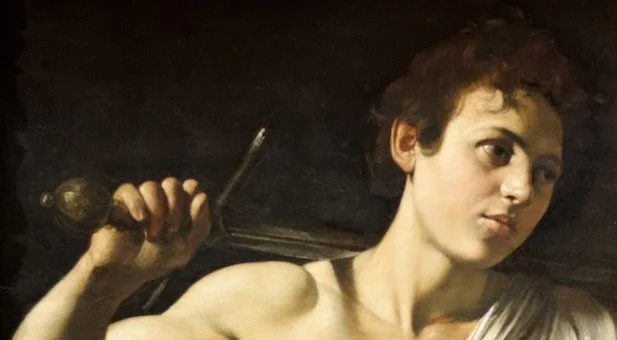
The twelve tribes were scattered, often struggling with each other and with surrounding nations. Israel needed a king, a shepherd to guide them, not just in battle, but in faith. So, God raised up David, a man unlike any other. He was the youngest son of Jesse, a shepherd boy, tending flocks in the hills of Bethlehem. To the world, David seemed insignificant. But God looks at the heart, not as the world sees.
When the prophet Samuel came to anoint Israel’s king, he passed over the older brothers and chose David. God said: “Do not consider his appearance or his height, for I have rejected him. The Lord sees not as man sees: man looks on the outward appearance, but the Lord looks on the heart.”
From shepherd to king, David’s life reveals something profound: God often chooses the humble, the faithful, the overlooked, to carry His plan forward. As a shepherd, David cared for his sheep, defending them from lions and bears. In many ways, that prepared him to shepherd a nation, to lead, protect, and unite the people of Israel. David’s victory over Goliath were not merely a military triumph. They were signs that God fights for His people, and that faith in Him can accomplish the impossible. Once king, David united the tribes of Israel, establishing Jerusalem as the political and spiritual center of the nation. But his most lasting legacy wasn’t just leadership, it was his heart after God. He was King not because he was perfect, but because he was willing to return to God again and again.
Psalms in Our Worship
One of the most remarkable things about David’s legacy is his Psalms. These are prayers and songs he wrote to God, some of joy, others of sorrow, others of deep trust. For Catholics, these psalms are not just history. They are alive in the Mass today. Every time we sing a psalm between the first and second readings, we are joining our voices with thousands of years of faithful worshipers. Think about that for a moment: the words you sing or say in the Mass are the same words David wrote thousands of years ago. They were written by a shepherd boy, a king, and a man after God’s own heart, and they continue to guide, comfort, and connect us to God today. This reveals something essential about being Catholic: the faith is deeply rooted in history yet lived today. Our voices, our prayers, and our worship link us to generations of believers who have trusted in God before us and remind us that the Mass is not just a ritual, but a participation in the ongoing story of God’s people. By seeing this connection, we understand that engagement in the Mass is not just “following along.” It’s actively stepping into a living tradition, entering into the same heart and trust that David had.
Foreshadowing the Ultimate Shepherd
David’s heart after God also points us forward. Centuries later, the true and greater Shepherd would come. Just as David led the people and cared for them, Christ leads His Church with love, sacrifice, and mercy. He lays down His life for His sheep, showing the ultimate example of faithful shepherding. David also ties the story back to God’s covenant. God promised him that his house and kingdom would endure forever. Finally, David sets the stage for the Temple. Though he longed to build a dwelling for God in Jerusalem, it was his son Solomon who would construct it. But David’s heart, his faith, and his role as shepherd prepared the nation to understand that. Because the true desire of God is not simply to dwell in a building… but to dwell within them.
“The Lord does not see as man sees….the Lord looks on the heart.”
1 Samuel:16